Transporting a cryopreservation patient to Switzerland sounds unusual. Operationally, it is a documented international funeral transport with additional temperature control.
Once the permits and carrier documents are complete, transport is one of the most straightforward stages of the process.
Tomorrow.bio and its local funeral partner handle that work. The member or family supplies or signs the documents they are asked for, rather than organizing the route themselves.
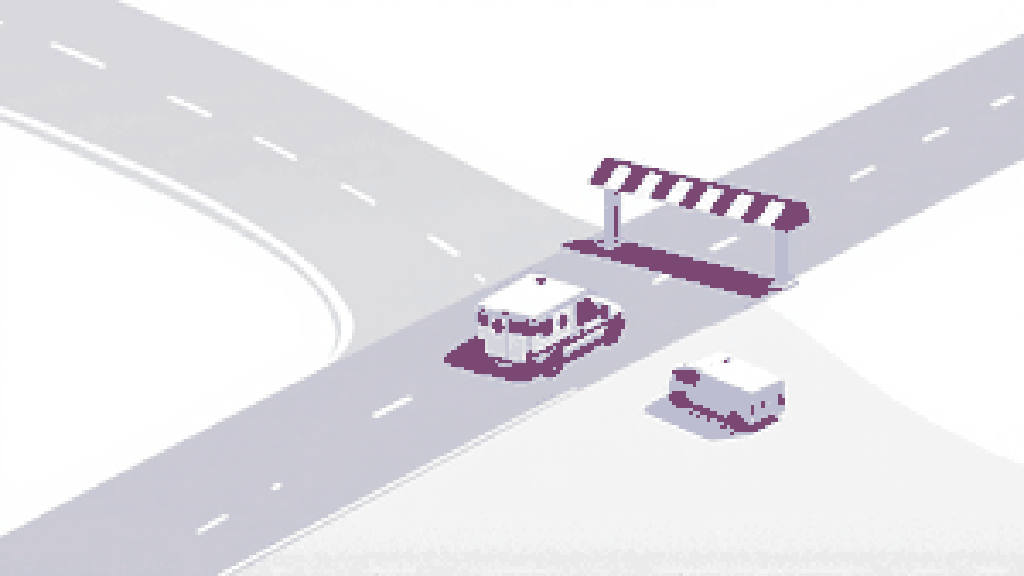
The member does not organize the transport
The member’s main responsibility is preparation: keep contact details current and provide the identity, medical and legal documents requested by Tomorrow.bio or the funeral partner.
After legal death, the operational work belongs to the professionals involved.
The funeral partner coordinates the local release and the documents issued in the country of death. Tomorrow.bio coordinates the preservation plan, carrier, route, Swiss permit and handover.
A relative may occasionally need to provide a copy or signature. They are not expected to negotiate with airlines, customs offices or foreign authorities.
The related preparation is covered in important documents to keep.
How the process works
- Legal release: a doctor certifies death and the competent local authority releases the patient when required.
- Field procedure: where circumstances permit, the team begins stabilization and field cryoprotection before long-distance transport.
- Origin documents: the funeral partner obtains the certificates and permissions needed to move the patient from the country of death.
- Transport booking: Tomorrow.bio arranges the approved road or air route, packaging, carrier documents and Swiss entry permit.
- Handover: the patient travels to Switzerland and enters the controlled cooldown to cryogenic temperature.
The exact list changes by country and case. That variation is why Tomorrow.bio works with local funeral partners instead of asking families to interpret the rules.
Cross-border transport is established funeral logistics
Europe does not have one universal procedure. Each country applies its own rules to death registration and repatriation, as the European Union’s guidance explains.
That does not make transport improvised. Funeral directors already move deceased people internationally, using certificates, permits and documented custody.
The Council of Europe agreement on the transfer of corpses was created to simplify formalities between participating countries through a mortuary laissez-passer.
Switzerland requires a permit for bodies transported into, through or out of the country. The competent cantonal authority issues it.
These are known administrative steps, not unusual risks that a member must solve.
Road and air transport both work
Road transport is often practical within Europe. Air transport is useful for longer routes, including intercontinental cases.
Airlines already carry human remains under established cargo procedures. The IATA Compassionate Transportation Manual provides an industry reference for booking, documentation, packaging and handling.
The chosen airline must accept the booking and the proposed packaging and coolant. Customs and entry documents must also be available before departure.
Once those requirements are met, the flight is a scheduled cargo movement rather than an unresolved legal question.
Tomorrow.bio has completed patient transports by road and air from several European countries and the United States. In those completed cases, documentation did not prevent the transport.
Cooling continues while paperwork is completed
Administrative work can still take hours or days. Preservation does not simply wait for it.
Where possible, the team performs field cryoprotection locally. The patient can then be maintained on dry ice, near -80°C, while transport documents are finalized.
In previous cases, the local funeral partner kept the patient at its facility or morgue and replenished the dry ice each day.
This separates the urgent biological work from the slower administrative clock. Once the paperwork is ready, the planned journey can begin.
The broader response sequence is explained in what happens when you need us.
What the experience does and does not show
Completed cases show that international transport is workable across different jurisdictions and by different modes of travel.
They do not guarantee that every future case will follow the same schedule. An investigation, delayed release, missing identity document or family dispute can still slow the process.
The useful distinction is between delay and failure. Paperwork sometimes takes time, but Tomorrow.bio has not had documentation make an otherwise completed patient transport impossible.
The practical takeaway
The member prepares the requested documents in advance. Tomorrow.bio and the funeral partner handle the bureaucracy, permits, carrier and cross-border coordination when the time comes.
Once the documents are in hand, road or air transport to Switzerland is a familiar operational workflow.
TL;DR: Tomorrow.bio and local funeral partners handle permits, cooling and transport to Switzerland. Paperwork can cause delays, but completed ground and air transport follow established procedures.
Estimate preservation quality
Explore how timing and circumstances can change the quality of a cryopreservation procedure.
Loading the interactive tool...